Your cart is empty
Free shipping on all US orders

Free shipping on all orders
Your Cart
Your cart is empty
Free shipping on all US orders
If you grew up in the 1990s or early 2000s, you probably remember staring at the colorful Food Guide Pyramid on the wall of your elementary school cafeteria or the back of your cereal box. It was the absolute gold standard of American nutrition.
At the very bottom, forming the massive, “supposedly” healthy foundation of our diets, was the bread, cereal, rice, and pasta group. We were told to eat a staggering six to eleven servings of these carbohydrates every single day. Yummy. (not)
Meanwhile, fats and oils were squeezed into the tiny, terrifying tip of the pyramid, labeled "use sparingly." Protein—like meat, poultry, fish, beans, and eggs—was awkwardly wedged into the middle, treated as a minor supporting player rather than the main event.
For decades, we dutifully ate our low-fat, high-carbohydrate diets. We bought fat-free cookies packed with sugar, started our days with massive bowls of processed cereals, and loaded up on pasta for dinner. And the result? The American people grew sicker, more tired, and more metabolically unwell than ever before. Rates of obesity, type 2 diabetes, and heart disease skyrocketed. The pyramid, quite frankly, failed us.
Fast forward to today. A few weeks ago, the scientific landscape of American nutrition took another massive leap forward. As the Dietary Guidelines Advisory Committee paves the way for the official 2025–2030 Dietary Guidelines for Americans, the messaging has fundamentally shifted. We aren't just tweaking the old pyramid; we are officially flipping it upside down.
This new, modernized approach to eating prioritizes high-quality protein, makes fibrous vegetables the true foundation of our meals, demotes refined carbohydrates, and finally embraces healthy fats. It is a monumental shift away from confusing, outdated advice and toward a realistic, science-backed way of living.
In this blog, we take a deeper look at what "flipping the pyramid" means for your daily meals, and why this nutritional revolution is a massive win for the American people.
Every five years, the United States updates its dietary guidelines. Historically, these updates have been minor adjustments—a little tweak to sodium limits here, a slight change to vitamin recommendations there. But the recent advisory reports making headlines represent a more aggressive, common-sense overhaul of how we should look at food.
For the first time in a meaningful way, national nutrition experts are placing a glaring spotlight on the dangers of Ultra-Processed Foods (UPFs). In the past, diet advice was obsessed with macronutrients and calories.

A calorie of a processed snack pack was treated the same as a calorie of almonds. Today, the science is clear: how a food is made matters just as much as what is in it. UPFs are foods that have been industrially altered to the point that their original ingredients are unrecognizable, often packed with emulsifiers, artificial flavors, and preservatives. The new guidance strongly advises moving away from these hyper-palatable, factory-made foods and returning to whole, minimally processed ingredients.
For years, the rule of thumb was that added sugars should make up no more than 10% of your daily caloric intake. Modern science is proving that even this is far too generous. The latest dietary conversations are pushing for even stricter limits on added sugars, recognizing them as a primary driver of metabolic dysfunction, fatty liver disease, and systemic inflammation. The focus is no longer just on avoiding candy bars, but on rooting out the insidious added sugars hiding in savory foods like pasta sauces, bread, and salad dressings.
Remember the days when the media would tell you to eat blueberries for the antioxidants, or to drink milk for the calcium? The new guidelines are stepping away from this narrow, nutrient-obsessed view.
Instead, they emphasize "dietary patterns." This means looking at the big picture of how you eat over weeks and months. It recognizes that no single superfood will save a terrible diet, and no single indulgence will ruin a healthy one. The focus is on building a holistic, balanced lifestyle—like a Mediterranean-style pattern—rather than micro-managing individual vitamins.

To understand how drastically our nutritional understanding has evolved, you have to visualize taking that old 1990s Food Guide Pyramid and completely flipping it upside down. The foods we were told to eat the most of are now meant to be eaten sparingly, and the foods we were told to fear are now taking center stage. Here is what the flipped pyramid looks like in practice.
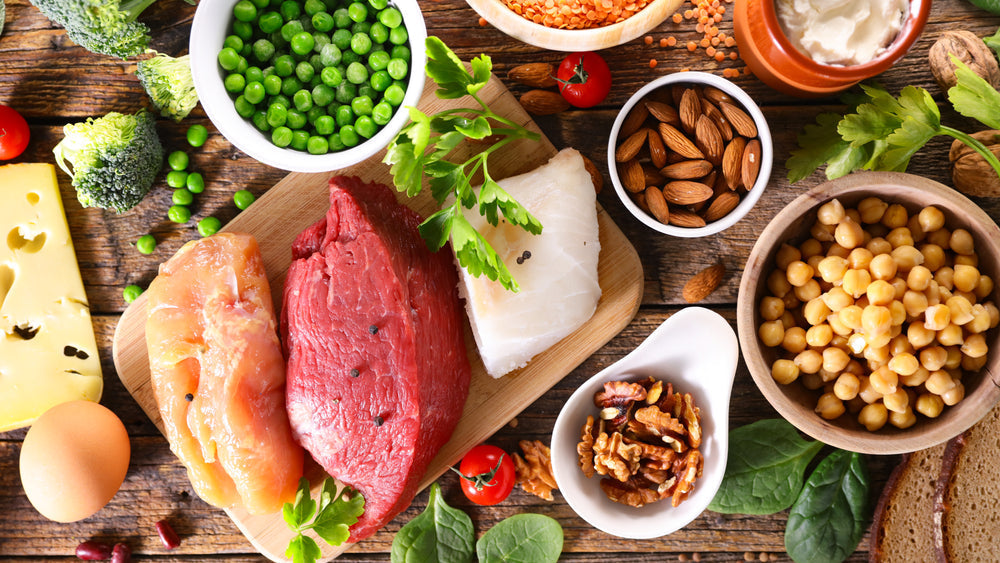
In the old pyramid, protein was just a small block near the top. Today, modern nutrition science has elevated protein to the primary focus of every single meal. The Shift: Protein is no longer just a side item; it is the anchor of your plate.
 The Why: When you prioritize protein—whether that is lean meats, poultry, fish, eggs, Greek yogurt, or plant-based powerhouses like tofu, lentils, and edamame—incredible things happen in your body.
Protein is highly satiating, meaning it keeps you feeling full for hours, effectively shutting down the urge to endlessly snack. Furthermore, as Americans age, maintaining muscle mass is one of the greatest predictors of longevity and metabolic health.
Eating a high-protein diet prevents age-related muscle loss and increases the thermic effect of food, meaning your body actually burns more calories simply digesting protein than it does digesting carbs or fats. If you find it difficult to consume enough protein from solid foods, supplemental whey protein is the "whey" to go.
The Shift: Those six to eleven servings of breads and pastas that used to form the wide base of our diets? They have been entirely evicted and replaced by vegetables and dietary fiber.
The Why: Under the new paradigm, half of your daily food intake should come from colorful, fibrous plants. Vegetables are the heroes of human health. They are incredibly nutrient-dense but calorically sparse, meaning you can eat massive, stomach-stretching portions without overloading your system with energy it doesn't need.
More importantly, the fiber in vegetables is the primary food source for your gut microbiome. A healthy gut dictates everything from your immune system strength to your mental health and mood. By making veggies the base of the flipped pyramid, we are finally feeding our bodies the essential micronutrients they have been starving for.
The Shift: Let’s be clear: carbohydrates are not the enemy (they were never the enemy), and you do not need to adopt an ultra-strict zero-carb diet to be healthy. However, refined carbohydrates have been severely demoted. They now occupy the tiny, pointy tip of the flipped pyramid—the "use sparingly" section.
The Why: When you mill grains down into fine, white flour to make white bread, bagels, crackers, and regular pasta, you strip away the fiber and nutrients. What is left is a concentrated dose of starch that hits your bloodstream almost exactly like pure sugar. The new guidelines treat complex, whole-grain carbs (like quinoa, oats, and sweet potatoes) as supporting players to provide energy for active lifestyles, while treating refined, processed carbs as occasional treats rather than daily staples.
The Shift: For a long time, the American public was terrified of dietary fat because we were told "fat makes you fat." We now know this was a catastrophic misunderstanding of human biology. The flipped pyramid warmly embraces healthy fats as vital components of a daily diet.

The Why: Dietary fat does not make you fat; in fact, it is essential for absorbing key vitamins (like Vitamins A, D, E, and K). Your brain is made up of nearly 60% fat, and your body requires dietary fats to produce vital hormones. By bringing healthy fats—such as avocados, extra virgin olive oil, nuts, seeds, and fatty fish like salmon—back into our daily routines, we improve our cardiovascular health, reduce brain fog, and make our food taste incredibly delicious without relying on added sugars.
Telling an entire country to change the way they eat is no small task, but the shift toward this flipped pyramid is arguably the greatest public health victory of the modern era. Here is why leaving the old carbohydrate-heavy, ultra-processed diet behind is an absolute win for the American people.
Think about how you feel at 2:00 PM on a standard workday. If you are like millions of Americans, you hit a massive wall of exhaustion. You crave caffeine, your brain gets foggy, and you can barely keep your eyes open. This is the infamous "carb coma." When your diet is based on the old pyramid—say, cereal for breakfast and a massive sandwich for lunch—your blood sugar spikes dramatically. Your body releases a flood of insulin to deal with the sugar, resulting in a rapid blood sugar crash.
Swapping a refined-carb-heavy base for a protein, fat, and fiber-heavy base completely stops this rollercoaster. Protein and healthy fats break down slowly, providing a steady, even drip of energy to your brain and muscles throughout the day. Flipping the pyramid means getting your afternoons back.
We cannot ignore the reality of the American health crisis. Nearly three-quarters of American adults are overweight or obese, and more than 38 million Americans have diabetes (with tens of millions more in the pre-diabetic stage). For decades, we tried to fix this by telling people to simply "eat less and exercise more," while still telling them to base their diets on breads and pastas. It didn't work.
The new guidelines directly attack the root cause of metabolic disease: insulin resistance driven by ultra-processed foods and excess sugar. By calling out UPFs and prioritizing protein and whole foods, the guidelines are giving Americans the actual biological tools they need to heal their metabolisms, reverse fatty liver disease, and naturally regulate their blood sugar.
Perhaps the most liberating aspect of the flipped pyramid is that it frees us from the misery of counting every single calorie. Under the old low-fat guidelines, people were constantly hungry. Fat-free foods do not trigger the body's satiety hormones.
When you build your meals around protein, healthy fats, and high-fiber vegetables, you activate hormones like leptin and peptide YY, which send powerful signals to your brain that you are full. It is incredibly difficult to overeat grilled chicken breast and broccoli; it is incredibly easy to overeat a massive bowl of buttered pasta or a bag of potato chips. The new guidelines allow Americans to stop treating their bodies like math equations and start trusting their natural hunger and fullness cues again.
A common criticism of modern healthy eating is that it is a luxury reserved for the wealthy. The critics argue that not everyone can afford organic grass-fed beef or wild-caught Alaskan salmon. Fortunately, the new dietary focus is incredibly flexible and budget-friendly.
Because the guidelines emphasize dietary patterns and inclusivity, they highlight highly affordable, culturally diverse foods.

Plant-based proteins are heavily prioritized. Black beans, lentils, chickpeas, and edamame are some of the cheapest ingredients in the grocery store, yet they perfectly align with the flipped pyramid by providing massive doses of protein and fiber. Frozen vegetables—which are flash-frozen at peak ripeness and retain all their nutrients—are cheap, accessible, and last for months. Healthy eating under these new guidelines is adaptable to any budget and any cultural palate.
Understanding the science is one thing, but putting it into practice on a busy Tuesday night when the kids are screaming and you are exhausted is another. The beauty of the new dietary updates is that they champion simplicity. You don't need to buy a $300 blender, subscribe to a complicated meal delivery service, or detox on lemon water. You just need to change the way you assemble your plate.
Here are four actionable, highly effective ways to apply the new dietary guidelines to your life starting today.
Change the way you conceptualize your meals. In the past, you might have thought, “I want to make spaghetti for dinner. What should I put on it?” The pasta was the anchor, and the meat sauce was the afterthought.
To apply the flipped pyramid, pick your protein source first, and build the rest of your plate around it. Ask yourself, “I’m going to have grilled chicken (or baked tofu, or a salmon filet) tonight. What goes well with that?” By anchoring the meal with protein, you ensure you are hitting your macronutrient goals before you even think about the side dishes.
You don’t need measuring cups to eat well; you just need to look at the geography of your dinner plate. The modern visual for healthy eating (often represented by the USDA's updated MyPlate graphics) is incredibly straightforward.

50% of your plate should be filled with non-starchy, colorful vegetables or a side salad. This is your fiber and micronutrient base. Field of Greens can help you get there.
25% of your plate should be dedicated to your high-quality protein anchor.
25% of your plate is left for your complex carbohydrates—like a scoop of quinoa, roasted sweet potatoes, brown rice, or beans.
Veggies are no longer the sad side dish; they are the main event.
Because the new guidelines are going to war against Ultra-Processed Foods, you need a quick way to spot them in the grocery aisle. UPFs are engineered to hide in plain sight, often masquerading behind labels like "Heart Healthy" or "All Natural."
The easiest way to avoid them is to flip the package over and read the ingredients. Try to stick to the "5-Ingredient Rule." If a packaged food has more than five ingredients, or if it contains ingredients that read like a high school chemistry experiment (like maltodextrin, high-fructose corn syrup, soy lecithin, or artificial dyes), put it back on the shelf. Stick to foods where you recognize every single word on the label. Better yet, shop the perimeter of the grocery store where the fresh, one-ingredient whole foods (meat, produce, dairy) live.
The fastest, most impactful way to meet the new, stricter added sugar guidelines is to stop drinking your calories. Liquid sugar—found in sodas, sweetened iced teas, fruit juices, and those massive blended coffee drinks—hits your liver like a freight train because there is no fiber to slow down the absorption.

If you do nothing else after reading this article, make the commitment to swap sugary beverages for water, unsweetened tea, black coffee, or naturally flavored sparkling seltzers. This single behavioral change can cut hundreds of empty calories and massive amounts of inflammatory sugar from your diet every single day, without you having to change a single thing about the food you chew.
The evolution of America’s national dietary guidelines is moving toward a beautiful, much-needed era of simplicity, whole foods, and biological realism. The era of forcing ourselves to eat dry, low-fat toast and massive bowls of pasta in the name of health is officially over. We have flipped the pyramid.
As you implement these changes, remember that perfection is never the goal. You do not have to eat a flawless diet 100% of the time to be healthy. Having a slice of birthday cake or enjoying a bowl of pasta on a date night is part of a joyful life. The goal is simply to make better, science-backed choices for your everyday meals so that your body has the resilience to handle the occasional treat.
The science has caught up to common sense, and the table is set for a healthier America.
Spinning Your Wheels in the Gym? Do This Instead
You're showing up. You're putting in the work. You're eating reasonably well, hitting the gym consistently, and doing everything you were told would get results. But the scale hasn't budged in week...
Read more about Spinning Your Wheels in the Gym? Do This InsteadResearch Peptides: The New Frontier of Wellness or Just Hype?
If you have spent any time recently listening to established health and longevity podcasts, browsing fitness forums, or following wellness influencers on social media, you have almost certainly hea...
Read more about Research Peptides: The New Frontier of Wellness or Just Hype?
© 2026 BrickHouse Nutrition, llc. All rights reserved.