Your cart is empty
Free shipping on all US orders

Free shipping on all orders
Your Cart
Your cart is empty
Free shipping on all US orders
You're showing up. You're putting in the work. You're eating reasonably well, hitting the gym consistently, and doing everything you were told would get results. But the scale hasn't budged in weeks. Your lifts are going nowhere. You look in the mirror and see the same person you saw two months ago.
If that sounds familiar, you're not failing. You're plateaued — and there's a critical difference.
A plateau isn't a sign that your body is broken or that you've hit your genetic ceiling. It's a sign that your body has adapted to exactly what you've been doing. And adaptation, while frustrating, is actually proof that your training and nutrition have been working. The problem is that what worked to get you here won't work to get you there.
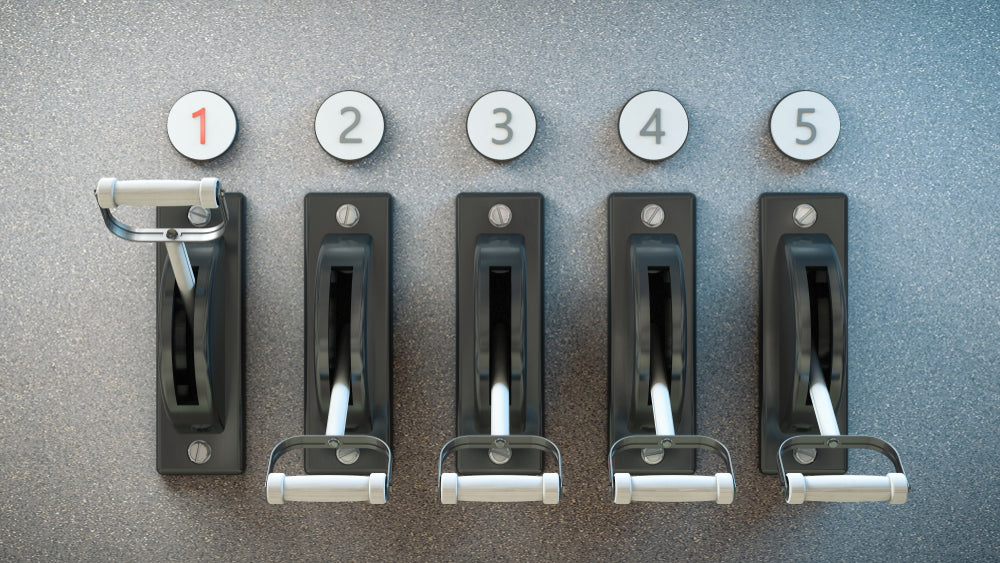
The solution isn't to grind harder or punish yourself with more cardio. It's to pull the right levers — the specific variables that create new stimulus, restore your physiology, and reignite progress. There are five of them. Most people stuck in a plateau are only addressing one or two, or none at all.
Here's what actually moves the needle.

The human body is a ruthlessly efficient adaptation machine. Every time you introduce a new physical stress — heavier weights, more volume, a new movement pattern — your body responds by rebuilding stronger, leaner, and more capable. But once it adapts to that stress, the rebuilding stops. The stimulus that once triggered growth becomes background noise.
This is called the principle of accommodation, and it's the root cause of most training plateaus. Your nervous system, muscles, and connective tissue have all figured out how to handle your current workload with minimal disruption. You're no longer giving your body a reason to change.
The frustrating part is that this can happen even when you feel like you're working hard. Perceived effort and actual training stimulus are not the same thing. You can be sweating, sore, and exhausted while your body is coasting by on autopilot.
Most people understand progressive overload as simply adding more weight to the bar. And while that's the most straightforward application, it's far from the only one. When linear weight increases stall — as they always eventually do — there are several other variables you can manipulate to create a new stimulus.
Volume is one of the most reliable. Adding an extra set to your key compound lifts, or increasing weekly training frequency for a lagging muscle group, can reignite hypertrophy even when the load stays the same. Training density — doing the same work in less time — creates a different metabolic demand. Tempo manipulation, such as slowing down the eccentric phase of a squat or press, increases time under tension and mechanical stress on the muscle without adding a single pound to the bar.
Rep range rotation is another underused tool. If you've been living in the 8-12 rep hypertrophy zone for months, dropping into heavier 3-6 rep strength work or pushing into 15-20 rep metabolic sets creates a genuinely different stimulus. Your muscles respond to both mechanical tension and metabolic stress — cycling between them keeps adaptation from plateauing in either direction.
One of the most reliable ways to break a training plateau is to take a deliberate step back. A structured deload week — where you reduce training volume or intensity by 30 to 50 percent — allows accumulated fatigue to dissipate and lets your nervous system fully recover. What often looks like a plateau is actually suppressed performance from chronic fatigue. Many lifters come back from a deload hitting personal records they couldn't touch before.

Practical fix: Pull up your training log from the past four weeks. If the weight, sets, reps, and exercises are virtually identical week to week, that's your plateau in writing. Pick one variable — volume, tempo, rep range, or frequency — and change it deliberately for the next four to six weeks. If you don't have a training log, starting one is the first move.
Here's a scenario that plays out constantly: someone starts a cut, drops calories, loses weight for a few weeks, then stalls completely — despite eating the same way that was working before. They assume they need to cut more. So they do. Progress trickles back briefly, then stalls again. Eventually, they're eating very little, miserable, and wondering why their body won't cooperate.
What's actually happening is metabolic adaptation. As you lose weight, your body becomes lighter and therefore burns fewer calories at rest and during activity. Your total daily energy expenditure drops. What was once a 500-calorie deficit is now maintenance. The math changed and your nutrition plan didn't.
This is compounded by hormonal changes that accompany prolonged caloric restriction — particularly drops in leptin and thyroid hormone output — which further reduce your metabolic rate and ramp up hunger signals. Your body is not your enemy here. It's doing exactly what it evolved to do: defend its energy stores during what it perceives as a famine.
If there's one nutritional lever that consistently separates people who break plateaus from those who don't, it's protein intake. Most intermediate trainees are eating less protein than they think, and far less than is optimal for muscle retention and growth during a cut or a recomp.

Current research supports a target of around 0.7 to 1 gram of protein per pound of bodyweight daily for active individuals, with some evidence pointing higher for those in a caloric deficit or over the age of 40. At these levels, protein does several things simultaneously: it maximizes muscle protein synthesis, increases diet-induced thermogenesis, reduces overall appetite, and helps preserve lean mass when calories are low.
If you're plateaued on a fat loss phase and your protein isn't consistently hitting that target, that's a lever worth pulling before anything else.
Sometimes, the most productive nutritional move is to stop dieting completely. A structured diet break — two to four weeks of eating at maintenance calories — allows metabolic hormones to normalize, restores training performance, and resets adherence psychology. It is not giving up. It's strategic, and the research on diet breaks supports them as a tool for improving long-term fat loss outcomes.
If you've been in a sustained deficit for three months or more and progress has stalled completely, a diet break followed by a recalibrated deficit is often more effective than continuing to grind through a suppressed metabolism.
Practical fix: Track your food intake honestly for two weeks — not your best days, but your actual average days. Compare your real caloric and protein intake against your targets. Most people find a significant gap between what they think they're eating and what they're actually eating. That gap is often the plateau.

Training is the stimulus. Nutrition is the raw material. But recovery — specifically sleep — is where the actual adaptation happens. Growth hormone secretion peaks during deep sleep. Muscle protein synthesis accelerates overnight. Cortisol, the primary catabolic stress hormone, gets cleared and reset. Without adequate sleep, the work you put in at the gym is only partially converted into results.
The research on sleep and body composition is unambiguous. Studies consistently show that sleep-deprived individuals lose more muscle and less fat during a caloric deficit compared to those getting adequate rest, even when calorie and protein intake are identical. Seven to nine hours of quality sleep isn't a luxury for serious trainees. It's a physiological requirement.
Chronic stress — whether from poor sleep, work pressure, relationship strain, or simply under-eating — keeps cortisol chronically elevated. And elevated cortisol does a number on body composition. It promotes fat storage, particularly around the midsection. It breaks down muscle tissue for fuel. It impairs insulin sensitivity and suppresses testosterone and growth hormone output.
This is why two people can follow the same program and get very different results. The one under chronic stress is working against a hormonal headwind that no amount of extra sets can overcome.
If your life is currently high-stress across multiple domains, that context matters for your fitness. Managing stress isn't soft advice — it can make or break your progress.
More training is rarely the answer when recovery is the actual problem. But passive rest days aren't always optimal either. Light activity on off days — walking, mobility work, easy cycling, swimming — promotes blood flow to recovering tissue, reduces soreness, and supports the parasympathetic nervous system without adding meaningful fatigue.
Practical fix: Audit your sleep before you audit your training. Are you consistently getting seven or more hours? Is your sleep quality high — meaning you're waking up rested, not groggy? If not, address this before adding more training volume. Simple sleep hygiene improvements — consistent sleep and wake times, a dark and cool room, cutting screens an hour before bed — can meaningfully improve recovery within one to two weeks.
There's a psychological trap that plateau creates, and it's worth naming directly. When progress stalls, frustration builds. That frustration leads to inconsistency — skipped workouts, stress eating, abandoning tracking, or bouncing between programs looking for the magic fix. The inconsistency deepens the plateau. The deeper plateau increases frustration. And the cycle continues.
This is plateau paralysis, and it's responsible for more abandoned fitness journeys than any training or nutrition mistake. The plateau itself is rarely the problem. The behavioral response to the plateau is.
One of the most durable findings in behavior change research is that identity-based habits outlast outcome-based habits. Telling yourself "I want to lose 20 pounds" creates motivation that's conditional on results. Telling yourself "I'm someone who trains consistently and eats to support my goals" creates behavior that persists even when results are slow.
When you're plateaued, outcome-based motivation dries up quickly because the outcomes aren't coming. Identity-based motivation doesn't need results to sustain itself. It just needs you to keep showing up as the person you've decided to be.
This isn't motivational well-wishing. It's a practical reframe that changes how you respond to setbacks. Someone who wants to be fit skips the gym when they're unmotivated. Someone who is a consistent trainer goes anyway, because that's what they do.
Part of breaking plateau paralysis is expanding your definition of progress beyond the scale and the mirror. During a training plateau, you might be getting meaningfully stronger, sleeping better, moving with less pain, managing stress more effectively, and building metabolic health markers that don't show up in the mirror for months. None of that is nothing.
Practical fix: Identify three non-scale metrics you'll track alongside your primary goal. Strength benchmarks — a squat, a pull-up, a deadlift — are particularly useful because they improve even when aesthetics lag. Energy levels, sleep quality, and mood are worth tracking too. Progress in these areas is real progress, and recognizing it keeps you in the game long enough for the visible results to catch up.
Supplements are the most marketed and least misunderstood lever in the fitness industry. The order in which most people reach for them — first, before addressing training, nutrition, or recovery — is exactly backwards. A fat burner won't fix a broken training stimulus. A pre-workout won't compensate for chronic sleep debt. Supplements work as amplifiers of a solid foundation, not substitutes for one.
That said, once the foundational levers are being pulled, a handful of supplements have genuine, well-researched evidence behind them. These aren't miracle products. They're tools that provide a meaningful edge when everything else is already in place.

Creatine monohydrate is the most thoroughly researched performance supplement in existence, with hundreds of studies confirming its ability to increase strength, improve high-intensity exercise performance, and support muscle hypertrophy. It works by increasing phosphocreatine availability in muscle tissue, allowing for greater ATP regeneration during intense effort. If you're not taking creatine, this is the one supplement worth adding, regardless of where you are in your fitness journey.
Protein supplementation — whether whey, casein, or a plant-based alternative — is worth considering simply as a practical tool for hitting daily protein targets. It's not magic; it's just food in a convenient format. But given how consistently protein intake is under-optimized among plateaued trainees, closing that gap with a quality protein supplement is a legitimate strategic move.
Caffeine remains one of the most effective and well-documented ergogenic aids available. It demonstrably improves strength output, endurance, focus, and fat oxidation during exercise. The key is dosing it strategically rather than habitually — relying on it daily blunts its performance effects and wreaks havoc on sleep quality if consumed too late in the day.
Adaptogens like ashwagandha and rhodiola rosea have accumulated a meaningful body of research around cortisol regulation, stress resilience, and exercise recovery. For trainees whose plateau is partly driven by chronic stress and elevated cortisol — which describes a significant portion of the plateaued population — these compounds can provide genuine physiological support.

Essential amino acids (EAAs), particularly leucine-rich formulas, support muscle protein synthesis during training and can be especially valuable for older trainees or those who train in a fasted state. They're not a replacement for whole food protein, but as a targeted intra-workout tool, they serve a legitimate purpose.
Practical fix: Before adding any supplement, identify which lever it supports. Creatine supports Lever 1. Protein supports Lever 2. Adaptogens support Lever 3. If the underlying lever isn't being pulled, the supplement won't move much. Stack supplements onto a corrected foundation, not onto an uncorrected problem.
Plateaus feel permanent. They aren't. They're feedback — your body telling you that the current inputs are no longer creating new outputs. That's not a failure. That's physiology working exactly as designed.
The five levers covered here — training stimulus, nutrition calibration, recovery, mindset, and supplementation — represent the complete set of variables that drive fitness progress. Most plateaus come down to one or two of them being neglected or miscalibrated. Rarely do you need to overhaul everything at once.
The move is to read your plateau honestly, identify which lever is most out of position, and address that one thing with consistency for four to six weeks before evaluating. Pulling five levers simultaneously makes it impossible to know what's working. Pulling one with focus and patience gives you real information.
Pick your lever. Pull it. Give it time. Progress follows.
Why Do So Many People Fall Off the Fitness Cliff in February?
Here's a number that should stop every January gym-goer in their tracks: by the second week of February, roughly 80% of New Year's resolution makers have already abandoned their fitness goals. The...
Read more about Why Do So Many People Fall Off the Fitness Cliff in February?The Food Pyramid is Dead (And Flipped): Why America’s New Dietary Focus is Exactly What We Need
If you grew up in the 1990s or early 2000s, you probably remember staring at the colorful Food Guide Pyramid on the wall of your elementary school cafeteria or the back of your cereal box. It was t...
Read more about The Food Pyramid is Dead (And Flipped): Why America’s New Dietary Focus is Exactly What We Need
© 2026 BrickHouse Nutrition, llc. All rights reserved.