


Your cart is empty
Free shipping on all US orders

Free shipping on all orders
Your Cart
Your cart is empty
Free shipping on all US orders
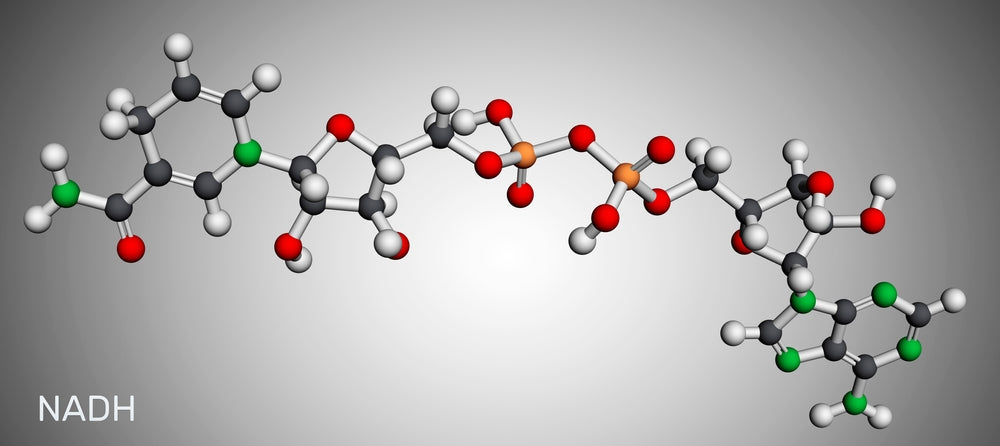
Any conversation involving health optimization and biohacking is almost solely dominated by an obsession with one compound: NAD+ (Nicotinamide Adenine Dinucleotide).
By now, even the most casual wellness enthusiast knows about NAD+ precursors like Nicotinamide Mononucleotide (NMN) and Nicotinamide Riboside (NR). We have been told repeatedly—by podcasters, longevity researchers, and supplement companies—that the goal of longevity is to fill the pool of NAD+ to fuel sirtuins and repair DNA.
But as we settle into 2026, a strange paradox has emerged. We are seeing a demographic of health-conscious individuals who are maxed out on precursors. They take grams of NMN daily. They practice intermittent fasting. They take cold plunges. Yet, their Oura ring scores show poor recovery, their Whoop data indicates low heart rate variability (HRV), and they still hit a cognitive wall at 3:00 PM.
They have plenty of fuel, yet they are exhausted. Why?
This phenomenon is what forward-thinking metabolic scientists are calling cellular bankruptcy. It is not a lack of resources; it is a lack of liquidity. And the distinction matters.
In financial terms, a company can have billions in assets on its balance sheet and still be unable to make payroll if those assets are not liquid. The same logic applies to your cells: a massive reservoir of NAD+ means nothing if the system cannot convert it into usable energy at the speed your body demands.
Enter NADH (Reduced Nicotinamide Adenine Dinucleotide).
While its oxidized cousin, NAD+, has enjoyed the limelight as a longevity molecule, NADH has quietly remained the workhorse of immediate, kinetic energy. It is the biological equivalent of a spark plug in a combustion engine. In the mitochondria, NADH is the active form—the molecule carrying the high-energy electrons required to generate ATP right now.
For the biohacker, the high-performer, or anyone suffering from the modern epidemic of cellular stalling (characterized by brain fog, afternoon fatigue, and metabolic inflexibility), NADH represents the missing link in the energy equation.
The most common question in the longevity community is straightforward: “If I am already taking NMN or NR to boost NAD+, why do I need NADH?”
To answer this, we must understand a bit of biochemistry of the NAD salvage pathway and understand the difference between Potential Energy and Kinetic Energy, and between Pool Size and Flux.
Nicotinamide Mononucleotide (NMN) and Nicotinamide Riboside (NR) are precursors. They are the raw materials. When you ingest a capsule of NMN, it does not immediately generate energy. It must go through a complex biochemical journey: it enters the cell, encounters the enzyme NAMPT (Nicotinamide phosphoribosyltransferase), and is then converted into NAD+. And then it waits.

But here lies the problem: NAMPT is the rate-limiting enzyme. In states of chronic inflammation, aging, or stress—conditions that define modern life—NAMPT activity is downregulated. You can flood your body with NMN, but if your NAMPT enzyme is sluggish, that NMN acts like cars stuck in a traffic jam. It cannot be converted efficiently. You are filling the tank, but the fuel line is clogged.
This bottleneck is particularly pronounced as we age. Research shows that NAMPT expression declines measurably in multiple tissues after the age of 40, with adipose tissue and skeletal muscle showing some of the steepest drops.
This means the very demographic most aggressively supplementing with NMN—middle-aged health optimizers—may be the least equipped to convert it. The precursor accumulates, but the downstream product (functional NAD+ ) does not rise proportionally. This is the precursor trap.
NADH bypasses this bottleneck entirely. It is the reduced form, meaning it is chemically loaded with a hydride ion (H⁻). This hydrogen ion carries two high-energy electrons. Think of the distinction this way:
NMN/NR = The Fuel Tank. Essential for long trips and preventing the engine from running dry over decades (Longevity). NADH = The Spark Plug. Essential for igniting the fuel to create movement immediately (Performance).
NADH does not need to wait for a demand signal or a salvage pathway to become energetically useful. It enters the Krebs cycle and the Electron Transport Chain ready to donate electrons immediately.
For years, a dogma existed in biology: You want high NAD+ and low NADH. The reasoning was that a high NAD+/NADH ratio signals a state of cellular scarcity (like fasting), which triggers repair pathways like autophagy. Conversely, a low ratio (high NADH) was associated with metabolic backlog (like overeating).
However, research has nuanced this view significantly. We now understand the difference between Static Ratio and Dynamic Flux. Stagnant High NADH—where NADH is elevated because the mitochondria are broken and cannot use it—is indeed pathological (this is reductive stress). But High NADH Supply—where NADH is high because you are supplementing it, and your mitochondria are active—means you are driving Flux.
Think of a river. A stagnant river is bad. A dry riverbed is bad. A rushing river is good. Supplementing with NADH increases the volume of the rushing river. It pushes the pressure of the system, forcing the mitochondria to spin faster. For the biohacker seeking immediate cognitive clarity or recovery from burnout, increasing the flux (NADH) is noticeably more effective than just increasing the pool size (NMN).
By now, you probably know all about ATP production, but to truly appreciate the power of NADH, we must talk a little about the inner mitochondrial membrane. This is where the physics of life happens.
The ETC consists of four main protein complexes embedded in the mitochondrial membrane (Complexes I, II, III, and IV). Their job is to pass electrons along a chain to create a battery-like charge.

Complex I (NADH: Ubiquinone Oxidoreductase) is the massive gatekeeper of the chain. It is L-shaped and sits partially in the mitochondrial matrix. It is specifically designed to accept electrons from NADH.
When NADH binds to Complex I, it transfers its two electrons. In this process, NADH becomes oxidized back into NAD+ (which can then go off to help sirtuins or be recycled). This recycling is crucial—by taking NADH, you actually do get NAD+ as a byproduct of energy production.
This electron transfer triggers a conformational change in Complex I (like a piston moving), which pumps four protons (H+) from the matrix into the intermembrane space, creating an electrochemical gradient known as the Proton Motive Force.
There are now more protons outside than inside, and they want to get back in. The protons rush back into the matrix through a turbine called ATP Synthase. As this turbine spins, it smashes ADP and Phosphate together to create ATP.
NADH is the only molecule that feeds Complex I. Fats (via FADH2) enter at Complex II, which is less efficient and pumps fewer protons. Carbohydrates and glucose rely almost entirely on NADH to initiate energy production at Complex I. If you are NADH deficient, you cannot effectively burn carbs for energy.
A cutting-edge concept in biohacking is Reverse Electron Transport (RET). When there is a massive surge of electrons (from a high supply of NADH/succinate), electrons can sometimes flow backward from Complex II to Complex I. While this sounds bad, it actually generates a specific signaling molecule (superoxide) that acts as a hormetic stressor. This signal tells the nucleus that there is high energy demand and that there is the need to build more mitochondria

So, supplementing with NADH may not just fuel existing mitochondria; the surge in electron pressure may signal the body to undergo Mitochondrial Biogenesis (building new power plants). This is one reason why combining NADH with exercise—another potent biogenesis stimulus—may produce synergistic effects that neither intervention achieves alone.
The body produces energy in two primary ways. Glycolysis is fast, inefficient, and metabolically dirty—it produces only 2 ATP per glucose molecule and creates lactate and acid. This is stress energy. Oxidative Phosphorylation, on the other hand, is slower but highly efficient, producing approximately 36 ATP per glucose molecule. This is clean energy.
Fatigue, brain fog, and muscle soreness are often the result of the body being stuck in Glycolysis because the mitochondria are stalled. By supplementing NADH, you provide the specific substrate necessary to push the body into Oxidative Phosphorylation. You are shifting your body from a survival/war-time economy to a thriving/peace-time economy.
If mitochondria are the engines of the body, the brain is the V12 supercar. The brain comprises only 2% of body weight but consumes 20% of total oxygen and glucose. It is arguably the most NADH-dependent organ in the body.
Most people seek energy supplements because they want to feel alert. Usually, they turn to caffeine (guilty as charged). But the mechanisms are fundamentally different. Caffeine blocks adenosine receptors.
It does not give you energy; it just hides your fatigue. It is borrowing energy from tomorrow. NADH, by contrast, fuels the actual production of wakefulness neurotransmitters.

NADH is a critical cofactor for the enzyme Tyrosine Hydroxylase. This enzyme is the rate-limiting step in the biosynthesis of dopamine: Tyrosine → L-DOPA → Dopamine. The pathway extends further: Dopamine → Norepinephrine → Epinephrine.
Without sufficient NADH, Tyrosine Hydroxylase cannot function efficiently. You can eat all the protein (Tyrosine) you want, but you cannot convert it into motivation. This manifests as a lack of drive, poor focus, and brain fog.
Supplementing with NADH can help to increase the bioavailability of dopamine naturally. This provides a sense of lucid focus, motivation, and cognitive fluidity without the jittery fight or flight response associated with synthetic stimulants or high-dose caffeine.
We have all felt decision fatigue at 4:00 PM. This is a biological event. The Prefrontal Cortex (PFC), responsible for executive function and willpower, is highly metabolically expensive. When neuronal ATP levels drop, the PFC effectively goes offline, and we revert to the amygdala (the emotional, reactive brain).
NADH supplementation helps maintain the ATP levels, specifically in these high-demand neurons. It acts as a buffer against decision fatigue, allowing you to maintain executive presence late into the day.
While this blog focuses on optimization, we cannot ignore the clinical data. In models of neurodegenerative diseases like Parkinson’s (which involves the death of dopamine-producing neurons) and Alzheimer’s, mitochondrial dysfunction is a hallmark. Specifically, Complex I defects are linked to Parkinson’s disease. By supplying NADH directly, we support the very complex that is often compromised.
Current hypotheses suggest that Neuro-Hygiene—keeping the brain’s energy systems efficient—is the best prevention. The brain has a waste disposal system called the Glymphatic System that works primarily during sleep.
This system requires massive amounts of ATP to pump fluid and clear out amyloid plaques. Low NADH → Low ATP → Poor Glymphatic Clearance → Neurodegeneration. This chain reaction underscores why NADH may be as relevant to brain health at 60 as it is to productivity at 30.
Ever since the ubiquitous use of GLP-1 agonists (like Ozempic and Mounjaro), the world is obsessed with satiety and blood sugar. NADH plays a surprisingly central role here, acting as nature’s metabolic optimizer.
Why do we get hungry? One purported reason is energy failure. When cells detect a drop in ATP, they signal the hypothalamus to induce hunger (specifically cravings for quick sugar). If you improve the efficiency of the mitochondria with NADH, your cells generate more ATP from the food you have already eaten.
The cell, in turn, signals “I am full of energy” to the brain. The result is a natural suppression of cravings. You are not white-knuckling your diet; you simply are not as desperate for fuel because your engine is efficient.
Sirtuins (SIRT1-7) are the longevity genes that regulate inflammation, fat burning, and DNA repair. We know Sirtuins are NAD+-dependent. However, for Sirtuins to work, the metabolic machinery must be moving.

NADH drives the metabolic cycles that regulate the NAD+ salvage pathway. By keeping the energy cycle spinning, NADH ensures a steady supply of recycled NAD+ is available for Sirtuins.
Furthermore, the beta-cells in your pancreas (which produce insulin) are energy sensors. They release insulin only when their internal ATP levels rise. Glucose enters the beta-cell, it is metabolized to produce NADH and ATP, and the rise in ATP/NADH triggers the release of insulin. If beta-cells are deficient in NADH production capacity, they become blind to glucose levels, leading to sluggish insulin response (a precursor to Type 2 Diabetes). Supplementing NADH helps re-sensitize this mechanism.
To burn body fat, your body must perform beta-oxidation. This process breaks down fatty acids into Acetyl-CoA to enter the Krebs cycle. Beta-oxidation requires—and produces—NADH. If the mitochondrial Electron Transport Chain is backed up (due to lack of flux), Beta-Oxidation slows down.
The body, in turn, refuses to burn fat because the furnace is full. By ensuring the ETC is moving fast (via NADH and CoQ10), you unclog the metabolic drain, allowing the body to prioritize burning fat over storing it.
One of the most underappreciated dimensions of NADH’s impact is its role in the enteric nervous system—the so-called second brain. The gut contains over 500 million neurons, more than the spinal cord, and these neurons are profoundly energy-dependent.
When gut neurons are ATP-depleted, the result is sluggish motility, poor vagal tone, and impaired signaling between the gut microbiome and the central nervous system.
This has practical consequences that go well beyond digestion. The vagus nerve—the primary communication highway between the gut and the brain—relies on robust ATP availability in its afferent neurons to transmit satiety signals, regulate inflammatory cascades, and modulate mood via serotonin pathways.
Approximately 90% of the body’s serotonin is manufactured in the gut, and the enzymatic steps involved are ATP-intensive. A gut that is energetically starved is a gut that under-produces serotonin and over-signals inflammation.
Enteric-coated NADH formulations, which dissolve in the small intestine, are particularly relevant here. By delivering NADH directly to the intestinal mucosa, these formulations support the local energy economy of the gut lining—improving barrier integrity, enhancing nutrient absorption, and potentially reducing the low-grade endotoxemia (leaky gut) that is increasingly implicated in systemic fatigue and metabolic syndrome.
Every immune response your body mounts is metabolically expensive. A single episode of acute inflammation—whether from a cold, an intense workout, or psychological stress—can increase whole-body energy expenditure by 10–30%.
The activated immune cells (T-cells, macrophages, neutrophils) shift into a hyper-glycolytic state, consuming glucose at rates comparable to cancer cells. This immune energy tax is one of the primary reasons people feel profoundly exhausted when fighting infection, and it explains the persistent fatigue of chronic low-grade inflammation.
NADH is directly relevant here because immune cell function is tightly coupled to mitochondrial output. Macrophages, for example, toggle between a pro-inflammatory (M1) state driven by glycolysis and an anti-inflammatory (M2) state that relies heavily on oxidative phosphorylation. Supplying NADH to the system supports the transition from M1 to M2, essentially helping the immune system shift from attack mode to resolution mode more efficiently.

For individuals dealing with chronic inflammatory conditions, autoimmune flare-ups, or prolonged post-viral recovery, this shift is not trivial—it is the difference between lingering in an inflammatory loop and achieving resolution.
T-cell function tells a similar story. Naïve T-cells remain metabolically quiescent until activated, at which point they undergo a dramatic metabolic reprogramming. The speed and vigor of the T-cell response depend on how quickly these cells can ramp up ATP production.
Memory T-cells—the long-lived sentinels responsible for rapid response to previously encountered pathogens—are particularly dependent on efficient mitochondrial respiration. Supporting that mitochondrial efficiency with NADH may translate to faster, more decisive immune responses and shorter recovery windows after infection.
The most robust data for NADH comes from two ends of the spectrum: severe illness and elite performance.
ME/CFS is often described as a cellular battery failure. Patients with CFS have been shown to have lower ATP concentrations in their red blood cells. For the long-haul viral recovery community (a massive demographic in 2026), NADH has become a staple.
Viral infections often hijack mitochondria to replicate, leaving the host’s machinery damaged and leaky. A specific symptom called PEM (Post-Exertional Malaise)—where a small amount of exercise causes a crash days later—is linked to the inability of mitochondria to recover from stress.
Clinical trials have demonstrated that NADH supplementation can significantly reduce symptom severity. The mechanism is straightforward: it bypasses upstream metabolic blocks caused by viral damage and delivers electrons directly to Complex I, forcing energy production even in a compromised system.
For athletes, NADH offers a legal, non-hormonal performance advantage. Studies suggest NADH can improve oxygen utilization (VO2 Max). Lactate is produced when NADH accumulates and cannot be cleared by the mitochondria (the backup causes pyruvate to turn into lactate). By speeding up the ETC with NADH supplementation (and CoQ10), you clear the backlog.
This means you can run harder for longer before the inevitable burn sets in. Due to the dopamine connection, athletes in reaction-based sports (tennis, combat sports, gaming) find NADH particularly useful for visual processing speed.
Many people suffer from sleep inertia—that heavy, drugged feeling when waking up that lasts for 30-60 minutes. This is often due to low cerebral ATP levels after the night’s fast. The Hack? Keep a rapid-dissolve NADH tablet on your nightstand.
Take it the moment your alarm goes off. Within 15 minutes, the surge in ATP signals the brain that energy production starts now, clearing sleep inertia often faster and more smoothly than coffee.
One of the practical challenges with any supplement is answering the question: Is this actually working for me? Wearable biometric devices have matured to a point where tracking the downstream effects of NADH supplementation is more accessible than ever.
Heart Rate Variability (HRV) is arguably the single best proxy metric. HRV measures the variation in time between consecutive heartbeats, and higher HRV indicates a more resilient, parasympathetically dominant nervous system—a state that requires efficient mitochondrial output.

Users who introduce NADH supplementation can track their morning HRV readings over a 2–4 week baseline period using devices like Oura, Whoop, or Apple Watch. A meaningful and sustained increase in resting HRV (typically 5–15% improvement within the first month) is one of the most reliable indicators that mitochondrial flux has improved.
Resting heart rate is another valuable metric. As mitochondrial efficiency increases, the heart does not need to beat as frequently to deliver the same oxygen supply. Blood oxygen saturation (SpO2) trends during sleep can also reveal improvements in cellular respiration—look for more stable overnight readings with fewer desaturation dips. Finally, subjective readiness scores (which modern wearables compute from a blend of HRV, sleep quality, and activity data) serve as a useful composite indicator.
The protocol is simple: establish a 2-week baseline, introduce NADH, and compare your rolling 7-day averages. This approach removes the guesswork and turns supplementation into a data-driven practice.
NADH is the ultimate team player. It can be stacked in ways that are additive, getting more than two separate compounds. NADH plays well in:
This is the most scientifically validated stack. The logic is straightforward: NADH drops the electron at Complex I, and CoQ10 (Ubiquinone) is the taxi that picks it up and drives it to Complex III.
If you have high NADH but low CoQ10, the electrons get stuck at Complex I. If you have high CoQ10 but low NADH, the taxi is empty. Take them together. The ideal ratio is roughly 1:10 (e.g., 20mg NADH + 200mg Ubiquinol). Always use Ubiquinol (the active, reduced form of CoQ10) for the best results.
NADH fuels your existing mitochondria. PQQ (Pyrroloquinoline Quinone) signals the body to build new mitochondria (Biogenesis). More engines (PQQ) + More fuel (NADH) = Massive energy output. The recommended protocol is 20mg NADH + 20mg PQQ.
Warning: Advanced users only. Do not use if on SSRIs. Methylene Blue is a synthetic dye that acts as an alternative electron carrier. It can accept electrons from NADH and bypass Complex I/II blockages. This combination creates a massive surge in mitochondrial respiration and cerebral blood flow. It is often used by biohackers for high-stakes presentations or exam study sessions.
This is a newer protocol gaining traction in functional medicine circles. Alpha-Lipoic Acid (ALA) is a unique antioxidant that operates in both water-soluble and fat-soluble environments, and it plays a direct role in regenerating other antioxidants (glutathione, Vitamin C, Vitamin E) that protect mitochondrial membranes from oxidative damage.
When the ETC is running hot—especially under the increased flux driven by NADH supplementation—reactive oxygen species (ROS) production inevitably rises. ALA acts as a buffer, neutralizing excess ROS before they damage the mitochondrial machinery you are working so hard to power.
Magnesium rounds out this stack because ATP does not exist as a free molecule in cells. It exists as Mg-ATP—a magnesium-ATP complex. Without adequate intracellular magnesium, the ATP that NADH helps generate cannot be properly utilized by enzymes. Given that an estimated 50–80% of adults are subclinically deficient in magnesium, this is not a minor detail. The recommended protocol is 20mg NADH + 300–600mg ALA + 400mg Magnesium Glycinate (glycinate for superior bioavailability and CNS penetration).
One of the most fascinating niche applications of NADH is its use in Chronobiology—the science of biological time.
Our circadian rhythm is governed by clock genes (CLOCK and BMAL1) in the nucleus of our cells. It turns out that the DNA binding activity of these proteins is regulated by the redox state (the ratio of NAD+ to NADH). When cellular energy is high (high ATP/NADH), it signals wakefulness to the clock genes. When energy is low, it signals sleep/repair.
If you are traveling across time zones, your mitochondria are confused about when to produce energy. The protocol: Fast during the flight. Land in the new time zone. Wait for the morning of the new time zone.
Then take a double dose of NADH (20–40mg) on an empty stomach immediately upon waking. This floods the system with ATP, forcefully signaling to the CLOCK genes: It is morning. Start the engines. This helps re-entrain the circadian rhythm significantly faster than sunlight exposure alone.
For shift workers—another population uniquely burdened by circadian disruption—a similar strategy can be applied. Taking NADH at the start of a night shift helps the brain manufacture the neurotransmitters and ATP it would normally produce during waking daylight hours, effectively creating a pharmacological dawn that overrides the body’s melatonin-driven drive toward sleep. Combined with strategic light exposure, this approach can significantly reduce the cognitive impairment and cardiometabolic risk associated with chronic shift work.
You cannot simply buy generic NADH powder and swallow it. This is where most consumers waste their money and why NADH has a reputation for being hit or miss.
NADH is extremely chemically unstable. It degrades rapidly in the presence of light, moisture, and especially acid. If you swallow a standard capsule, the hydrochloric acid (pH 1.5–3.5) in your stomach will hydrolyze the NADH almost instantly, breaking it down into useless byproducts (Nicotinamide and ADP-ribose). It never reaches the bloodstream.
Sublingual / Buccal (The Gold Standard for Brain): These are lozenges that dissolve under the tongue. The tissue here is rich in capillaries. The NADH absorbs directly into the bloodstream, bypassing the harsh environment of the stomach and the first-pass metabolism of the liver.
Enteric Coating: These are pills coated in a polymer that resists stomach acid, dissolving only when they reach the neutral pH of the small intestine.
Liposomal Delivery: The newest development is liposomal encapsulation—wrapping the NADH in a lipid (fat) bubble (phosphatidylcholine). This protects it from acid and allows it to merge with cell membranes easily.
NADH is a naturally occurring biological molecule, making it generally very safe. However, because it is potent, it requires respect.
Beginner / Maintenance: 5mg to 10mg daily (best taken on an empty stomach, 30 mins before food, with water only). Performance / Focus: 20mg sublingual. Therapeutic (CFS / Long Haul): 20mg to 60mg (clinical trials have gone as high as 100mg safely, but this gets expensive).
Timing Matters: Always take NADH in the morning or early afternoon. Because it increases ATP production and dopamine, taking it within 6 hours of bed can cause insomnia or racing thoughts.
Unlike caffeine, you do not build a tolerance to NADH in the traditional sense. It is a nutrient, not a drug. However, homeostasis is powerful. Recommendation: Take it 5 days on, 2 days off. This allows your body’s endogenous enzymes to remain sensitive and prevents psychological dependency on the lift. Alternatively, cycle for periods of time between 8-12 weeks straight.
Anxiety Disorders: Because NADH increases norepinephrine, individuals prone to panic attacks should start with a very low dose (5mg) to monitor their reaction.
Cancer Considerations: This is a controversial topic. Cancer cells are highly energetic and consume massive amounts of fuel (Warburg Effect). Some oncologists advise against taking any cell-fueling supplements (NADH, NMN, B12, Folate) during active cancer treatment or chemotherapy. Always consult an oncologist.
Our understanding of energy is continuing to mature. We are moving away from the simplistic idea of just taking vitamins and toward the engineering of our internal bioenergetics.
We have learned that Potential Energy (NAD+) is vital for the long game—preserving the integrity of your DNA and capacity for repair over decades. But Kinetic Energy (NADH) is the player for the short game—the immediate demand of the day, the workout, the project, and the recovery.
If you are feeling the energy gap—that disconnect between your desire to perform and your body’s ability to execute—the issue may not be that you lack the fuel, but that you lack the spark. By prioritizing the flux of energy through NADH supplementation, particularly when stacked with CoQ10 and delivered sublingually, you effectively flip the metabolic master switch.
Stop treating fatigue with stimulants that borrow energy from tomorrow. Start generating energy today.
Nucleus Overload Training: High Frequency Stimulus For Stubborn Muscles
What if the solution to your stubborn calves, lagging shoulders, or underwhelming arms isn't training harder—but training more often? The science of myonuclear acquisition suggests that some muscle...
Read more about Nucleus Overload Training: High Frequency Stimulus For Stubborn MusclesWhy Do So Many People Fall Off the Fitness Cliff in February?
Here's a number that should stop every January gym-goer in their tracks: by the second week of February, roughly 80% of New Year's resolution makers have already abandoned their fitness goals. The...
Read more about Why Do So Many People Fall Off the Fitness Cliff in February?
© 2026 BrickHouse Nutrition, llc. All rights reserved.


.%C2%A0%0ABy%20now,%20even%20the%20most%20casual%20w...)