Your cart is empty
Free shipping on all US orders

Free shipping on all orders
Your Cart
Your cart is empty
Free shipping on all US orders

You're training harder than ever. You're logging the miles, hitting the gym, pushing through fatigue. But instead of getting faster, stronger, and more powerful, something strange is happening. Your times are slipping. Your lifts are stalling. You're picking up every cold that comes around, and that nagging shin pain just won't go away. You're tired—bone-deep tired—even after a full night's sleep.
If you're a female athlete, maybe your period has become irregular. Or disappeared entirely. You might have even been told that's normal for serious athletes. That it's a sign you're training hard enough.
It's not normal. And it's definitely not a badge of honor.
What you might be experiencing is Relative Energy Deficiency in Sport, or RED-S—a syndrome that occurs when your body simply isn't getting enough fuel to support both your training demands and the basic functions that keep you healthy. And it's far more common than most athletes realize.
RED-S isn't a fringe condition affecting only elite competitors or those with obvious eating disorders. Research suggests it affects anywhere from 23 to 80 percent of female athletes and 15 to 70 percent of male athletes across a wide range of sports. That's not a typo. The majority of athletes in some sports may be unknowingly underfueling their bodies—and paying the price in performance, health, and longevity.
The term RED-S was introduced by the International Olympic Committee in 2014 to expand upon the Female Athlete Triad. That earlier concept focused on disordered eating, menstrual dysfunction, and low bone density in women. But researchers recognized this was too narrow—consequences extend far beyond those three areas, and they affect athletes of all genders.
In this blog, we'll explore what this insidious phenomenon is, who's at risk, how to recognize warning signs, and how to recover and prevent it. Because here's the truth: you cannot out-train a nutrition deficit.
To understand RED-S, you first need to understand the concept of energy availability. This isn't just about calories in versus calories out; it's much more than that.

Energy availability is defined as the amount of dietary energy remaining to support all physiological functions after you subtract the energy expended during exercise. Scientists express this relative to fat-free mass (your lean body tissue) and measure it in kilocalories per kilogram per day.
Here's the simplified formula:
Energy Availability = (Dietary Energy Intake – Exercise Energy Expenditure) ÷ Fat-Free Mass
Research has established important thresholds. When energy availability falls below approximately 30 kilocalories per kilogram of fat-free mass per day, the body begins shutting down functions it deems non-essential for survival. Reproduction gets deprioritized. Bone remodeling slows. Immune function weakens.
For optimal health, most research suggests athletes need around 45 kilocalories per kilogram of fat-free mass per day—the level supporting full training adaptations and physiological function.
Here's something you need to understand: low energy availability doesn't require an eating disorder. It doesn't even require intentional restriction. Athletes end up in an energy deficit through two primary pathways.
Intentional underfueling happens when athletes deliberately restrict calories or food groups. This might occur in weight-class sports where athletes cut weight before competition. It happens in aesthetic sports where leanness is perceived to improve scores or appearance. It occurs when athletes or coaches mistakenly believe that lighter always means faster or better.
Unintentional underfueling is perhaps even more common and more insidious. Training volume increases, but eating habits don't keep pace. Life gets busy, and meals get skipped. An athlete adopts a restrictive diet—perhaps for ethical reasons or perceived health benefits—without adequately replacing the eliminated foods. A runner adds extra mileage preparing for a marathon but doesn't realize how dramatically their energy needs have increased.
When your body detects an energy shortage, it responds the way any intelligent system would: by prioritizing essential functions and reducing energy expenditure on everything else.

The hypothalamus—the region of your brain that regulates hormones, hunger, body temperature, and many other functions—orchestrates this response. It reduces production of reproductive hormones because reproduction is energetically expensive and not essential for individual survival. It decreases thyroid hormone output, slowing metabolism. It increases cortisol, your stress hormone, while decreasing anabolic hormones that build muscle and bone.
From an evolutionary perspective, this makes sense. If food is scarce, your body conserves resources and delays reproduction. The problem is your body can't distinguish between an actual famine and a self-imposed energy deficit.
And here's the cruel irony- while your body conserves energy, it's also compromising the very adaptations you're training for. Muscle protein synthesis decreases. Recovery slows. Training stimulus that should make you stronger instead just makes you tired.
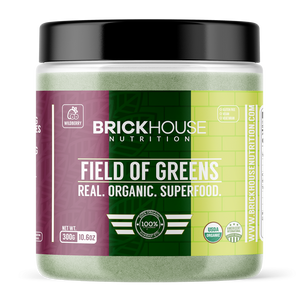
That’s why proper nutrition is the foundation of athletic performance—and supplements like Field of Greens can help bridge nutritional gaps with whole-food fruits, vegetables, and antioxidants. But no supplement can compensate for simply not eating enough. Let's look at who's most at risk for falling into this trap.
RED-S doesn't discriminate. It can affect the weekend warrior training for their first 5K and the Olympic hopeful logging 100-mile weeks. It affects men and women, adolescents and masters athletes, professionals and amateurs. But certain sports and certain populations face elevated risk.
Sports emphasizing leanness or aesthetics show the highest rates of RED-S, including gymnastics, figure skating, diving, dance, and cheerleading.
Endurance sports create risk through sheer energy demand. Distance running, cycling, triathlon, and swimming require massive caloric expenditure—often 3,000 to 5,000 or more calories daily. Matching that intake is genuinely challenging.
Weight-class sports incentivize weight cutting, which almost by definition creates energy deficiency. Wrestling, boxing, MMA, lightweight rowing, judo, and weightlifting/ bodybuilding all involve athletes cutting weight before competition.
Gravitational sports like ski jumping, pole vaulting, and high jump also show elevated rates where there's a real performance advantage to being light.
Beyond sport type, certain individual factors increase risk:
Rapid weight loss attempts: Losing 5 to 10 percent of body mass in a month places an athlete at moderate to high risk.
Exercising in a fasted state: Regular fasted training, especially high-intensity or long-duration sessions, increases the likelihood of chronic energy deficit.
Restrictive diets: Eliminating food groups—whether carbohydrates, animal products, or anything else—without careful planning to replace those nutrients increases risk.
Recent training increases: Any significant increase in volume or intensity without matching nutritional adjustments creates a deficit.
History of disordered eating or clinical eating disorders: Previous struggles with food and eating are strong predictors of RED-S.
Perfectionism and high achievement orientation: The same drive that makes athletes successful can also push them toward unhealthy behaviors.
External pressure about weight or body composition: Coaches, parents, teammates, or judges who comment on athletes' bodies contribute to risk.
You don't have to be training for the Olympics to develop RED-S. The recreational CrossFitter trying to lean out, the busy professional training for a marathon while skipping lunch, the high school athlete whose caloric needs aren't understood—all are at risk.
If anything, recreational athletes may face a higher risk because they typically lack access to sports dietitians and team physicians who might recognize warning signs.
RED-S can be subtle in its early stages. Many of its symptoms can be attributed to other causes—training too hard, not sleeping enough, stress at work or school. This is part of what makes it so dangerous. By the time symptoms become obvious, significant damage may have accumulated.
Here's what to watch for, organized by category.

Persistent fatigue that doesn't improve with rest is one of the most common early signs. We're not talking about the normal tiredness after a hard workout—this is fatigue that pervades daily life, making even routine activities feel exhausting.
Unexplained weight loss beyond what would be expected from training. Sometimes athletes don't notice gradual weight loss, or they attribute it to "leaning out" from training. But unintentional weight loss should always prompt investigation.
Recurring injuries are a hallmark of RED-S, particularly stress fractures. If you're getting injured frequently, or if injuries that should heal within weeks are lingering for months, your body may be telling you it lacks the resources to repair itself.
Frequent illness and prolonged recovery from infections suggests immune compromise. If every cold turns into a two-week ordeal, or if you're catching more illnesses than normal, insufficient energy availability may be suppressing your immune function.
Cardiovascular changes, including low resting heart rate (below 50 beats per minute), low blood pressure, and poor heart rate recovery after exercise can indicate the body is in energy conservation mode.
Cold intolerance—feeling chilly all the time, especially in the hands and feet—reflects reduced metabolic rate and decreased blood flow to extremities.
Hair loss, dry skin, and brittle nails occur because the body deprioritizes "cosmetic" tissues when resources are scarce. The proteins, fats, and micronutrients needed for healthy hair and skin get diverted elsewhere.
Gastrointestinal issues, including bloating, constipation, or stomach pain often accompany RED-S as digestive function slows to conserve energy.
For female athletes, menstrual changes are among the most visible warning signs. This might manifest as periods becoming irregular—varying in length or timing—or disappearing altogether (amenorrhea). Any change from your normal pattern warrants attention.
A crucial point: losing your period is never a sign of peak athletic fitness. This myth persists in some athletic communities, but it's dangerously wrong. Amenorrhea indicates that your body has determined conditions are unsuitable for reproduction—which means conditions are also unsuitable for optimal health and performance.
For male athletes, RED-S is harder to detect because there's no equivalent visible sign. Warning signs include low libido, decreased morning erections, and symptoms of low testosterone such as fatigue, mood changes, and difficulty building or maintaining muscle.
Here's the paradox of RED-S: athletes often train harder when performance declines, creating a vicious cycle that deepens the energy deficit.
Declining performance despite increased training is a major red flag. If you're putting in more work but your times, weights, or output are going backward, something is wrong.
Plateaued progress can indicate your body lacks the resources to adapt to training stimulus. You're creating the stress, but without adequate energy, your body can't complete the recovery and adaptation process.
Prolonged recovery between sessions means yesterday's workout still hurts when it's time for today's. Your muscles are sore longer. You feel like you never fully bounce back.
Reduced power output and endurance often precede obvious performance declines. You might notice you're struggling to hit paces or power numbers that were previously comfortable.
Decreased coordination and reaction time reflect the central nervous system effects of energy deficit. Your brain, which consumes roughly 20 percent of your caloric intake, doesn't function optimally when fuel is scarce.
RED-S affects the mind as much as the body. Watch for:

Irritability and mood swings that seem out of proportion to circumstances. Low energy availability affects neurotransmitter function, directly impacting mood regulation.
Depression and anxiety frequently accompany RED-S, though it can be difficult to determine whether psychological symptoms are cause or effect.
Decreased motivation for training and activities you previously enjoyed. This may reflect hormonal changes or simply the body's attempt to reduce energy expenditure.
Difficulty concentrating and brain fog indicate the brain isn't receiving adequate fuel. Cognition requires glucose, and when availability is limited, cognitive function suffers.
Preoccupation with food, weight, or body image can be both a symptom and a cause of RED-S. If you find yourself constantly thinking about what you'll eat, calculating calories, or scrutinizing your body in the mirror, this merits attention.
Fatigue and low energy are hallmark signs of RED-S. While supplements like Dawn to Dusk can support sustained energy with extended-release caffeine and TeaCrine, they're designed to complement—not replace—adequate fueling. If you're relying on stimulants just to get through workouts or your day, it may be time to examine your overall nutrition.
RED-S affects more than just performance. Left unaddressed, it creates cascading health consequences that can persist long after an athletic career ends. Understanding these effects is crucial for taking the condition seriously.
The hypothalamic-pituitary axis—the command center for your hormonal system—is exquisitely sensitive to energy status. When availability drops, this system begins shutting down non-essential functions.
Reproductive hormones plummet. In women, this means decreased estrogen and progesterone, leading to menstrual dysfunction. In men, testosterone drops—sometimes dramatically. Both sexes may experience decreased luteinizing hormone and follicle-stimulating hormone, the upstream signals that drive reproductive hormone production.
Thyroid function declines. The body reduces production of T3, the active thyroid hormone, to slow metabolism and conserve energy. This creates a feedback loop where lower metabolic rate means you feel like you need less food, even as deficiency worsens.
Cortisol rises because low energy availability is a life-threatening stressor from your body's perspective. Chronically elevated cortisol promotes muscle breakdown, impairs immune function, and contributes to bone loss.
Insulin and leptin signaling are disrupted, often suppressing hunger even as the body desperately needs more fuel.
Perhaps no consequence of RED-S is more concerning than its effects on bone. This is especially critical for young athletes whose bones are still developing, but it affects athletes of all ages.
Bone mineral density decreases when the hormones that support bone remodeling are suppressed. Estrogen in women and testosterone in men are important for maintaining bone. When these hormones fall, bone breakdown exceeds bone formation.
Stress fracture risk skyrockets. Research shows that female athletes with menstrual dysfunction and males with low testosterone have 4.5 times the risk of bone stress injuries. These injuries sideline athletes for weeks or months and often recur.
Long-term osteoporosis risk increases. Bone lost during periods of energy deficiency may never be fully recovered. Young athletes who develop RED-S may enter middle age with significantly compromised bone density, setting them up for fractures later in life.
The relationship between hormones and bone is direct. Estrogen and testosterone signal bone cells to maintain the constant remodeling process that keeps bones strong. Without these signals, the balance tips toward breakdown.

Bone health depends on more than just calcium and vitamin D, though both matter. Radiance collagen peptides support connective tissue health with clinically studied BioCell Collagen, providing type II collagen, chondroitin sulfate, and hyaluronic acid for joint comfort and mobility. This is critical for athletes recovering from RED-S-related bone and joint issues. However, the foundation of bone health is adequate energy availability and normal hormone function. No supplement can substitute for that.
Bradycardia (low heart rate) occurs as the body downregulates to conserve energy. While a low resting heart rate is often seen as a sign of fitness, extremely low rates can indicate energy deficiency.
Low blood pressure and orthostatic hypotension (dizziness when standing) reflect reduced cardiovascular function.
Electrocardiographic abnormalities may develop in severe cases, including a prolonged QT interval.
Inadequate energy availability suppresses virtually every aspect of immune function.
Upper respiratory infections increase in frequency and severity—one of the most consistent findings in RED-S research.
Research from the 2016 Rio Olympics found that low energy availability was the single strongest predictor of illness in competing athletes.
A compromised immune system leaves athletes sidelined when they should be training or competing. Field of Greens delivers antioxidants, polyphenols, and whole-food nutrition from real fruits and vegetables to support immune function.
It's clinically proven to support biological markers of health. But remember, no supplement can compensate for chronically undereating. You cannot supplement your way out of an energy deficit.
RED-S fundamentally alters how your body processes energy.
Resting metabolic rate decreases as the body attempts to reduce energy expenditure. This means you burn fewer calories at rest, making it even easier to remain in deficit.
Protein synthesis is impaired. Despite training stimulus that should build muscle, the body lacks the energy and resources to complete the repair and growth process. You break muscle down during training but fail to build it back stronger.
Muscle recovery slows dramatically. Soreness lingers. Tissue repair takes longer. The adaptation you're seeking from training fails to materialize.
Blood sugar regulation is disrupted. Fasting glucose may drop abnormally low. Glycogen stores remain depleted. Energy for high-intensity efforts becomes unreliable.
Body composition may paradoxically worsen. Despite eating less, some athletes gain fat while losing muscle—the hormonal environment favors fat preservation and muscle breakdown.
The psychological effects of RED-S are profound and often underestimated.
Depression rates are elevated in athletes with low energy availability—neurotransmitters require adequate nutrition to synthesize properly.
Anxiety increases, particularly around food, eating, and performance.
Cognitive function suffers as the brain, which consumes roughly 20 percent of daily calories, doesn't receive surplus fuel.
Eating disorders may develop or worsen. What begins as simple underfueling can progress to clinical eating disorders in vulnerable individuals.
Sleep quality deteriorates due to hormonal disruption and elevated cortisol.
The good news about RED-S is that it's treatable. With appropriate intervention, most athletes can recover fully and return to healthy training and competition. But recovery requires commitment and often involves changes that feel counterintuitive to competitive athletes.
There's no getting around it: the primary treatment for RED-S is eating more food. Specifically, the goal is to restore energy availability to at least 45 kilocalories per kilogram of fat-free mass per day—the level that supports full physiological function.
For most athletes with RED-S, this means increasing daily caloric intake by 300 to 600 calories initially, with adjustments based on response. This sounds simple, but for athletes who have been chronically underfueling—especially those with any degree of disordered eating—it can be psychologically challenging.

Some key principles guide nutritional recovery:
Increase gradually if needed. For athletes with severe restriction history, sudden large increases can cause gastrointestinal distress or psychological overwhelm. Working with a sports dietitian to increase gradually is often wise.
Prioritize protein. Athletes recovering from RED-S need adequate protein for muscle repair and hormone synthesis. Aim for 1.6 to 2.2 grams per kilogram of body weight daily, distributed across meals.
Don't fear carbohydrates. Carbs are essential for athletic performance, hormone function, and brain health. They should comprise a significant portion of the diet during recovery.
Address micronutrient deficiencies. Vitamin D, calcium, iron, and other micronutrients are often depleted in RED-S and may need targeted supplementation.
Reduce training if necessary. In moderate to severe cases, reducing training volume temporarily accelerates recovery. This is often the hardest recommendation for athletes to accept.
RED-S treatment works best with a team approach. Key members include:
A sports medicine physician who understands RED-S, can order and interpret appropriate testing, and oversees medical recovery. This physician monitors for complications and helps determine safe training levels.
A registered dietitian, ideally one specializing in sports nutrition, creates individualized nutrition plans, helps athletes understand their energy needs, and provides ongoing guidance. This person is often central to recovery.
A mental health professional—psychologist, counselor, or psychiatrist—addresses the psychological components, especially important when disordered eating is present.
The athletic trainer or coach should be informed and supportive but generally not directly involved in treatment decisions.
Family members and trusted friends also play supportive roles, particularly for younger athletes.
Recovery from RED-S is a process, not an event. It typically unfolds over many months, with different markers improving at different rates.
Early signs of recovery (weeks to months) include improved energy levels, better mood, and enhanced training response. Athletes often notice they feel better before any measurable markers change.
Return of menstrual function in female athletes is a key milestone, typically occurring within 3 to 6 months of sustained adequate energy availability—without hormonal contraceptives masking the dysfunction.
Hormonal normalization shows up on blood work as thyroid function improves, cortisol decreases, and sex hormones rise.
Bone density improvements may take longer—sometimes years—and may not fully recover. This is why prevention and early treatment are so important.
Body composition changes are inevitable. Most athletes recovering from RED-S will gain some weight. This is healthy and necessary.
Don't use hormonal contraceptives to "fix" missing periods. Birth control pills cause regular bleeding but do nothing to address the underlying energy deficit while bone loss continues.
Don't supplement thyroid hormone for borderline low levels. Low thyroid function in RED-S is an appropriate adaptation—not a disease.
Don't expect supplements alone to solve the problem. They support recovery but cannot substitute for adequate food intake.
Don't rush back to full training. Returning to high volumes before recovery is established perpetuates the cycle.
Recovery from RED-S requires a multifaceted approach. Quality supplements can support the process, but they complement—never replace—adequate food intake:

The BrickHouse Whey provides 27 grams of fermented, easy-to-digest protein per scoop to support muscle protein synthesis during recovery. Essential Amino Acids deliver all nine essential aminos to support muscle recovery and immune function—particularly important when the body is rebuilding. Fortify, a whole-food multivitamin, provides over 20 vitamins and minerals including B-vitamins for energy metabolism, and chromium for metabolic support—all from real food sources, not synthetic isolates.
And for athletes who struggle to eat enough throughout the day—whether due to time constraints, suppressed appetite, or logistical challenges—convenient options like Whole in One Bars provide nutrient-dense calories that travel easily and taste great.
The best approach to RED-S is preventing it from developing in the first place. This requires shifting the culture around athlete nutrition and body weight—a process that involves athletes, coaches, parents, and sports organizations.
Before training: Never begin high-intensity or long-duration sessions completely fasted. Have a carbohydrate-containing meal or snack 1 to 3 hours before training. Even something small—a banana, toast with peanut butter, or a handful of dried fruit—is better than nothing.
During training: For sessions lasting longer than 60 to 90 minutes, consume carbohydrates to maintain blood sugar and spare glycogen stores.
Post-training: Prioritize protein plus carbohydrates within 2 hours of finishing exercise. Don't skip post-workout nutrition because you're "not hungry."
Daily habits: Eat regularly throughout the day, avoiding gaps longer than 4 to 5 hours. Include protein at every meal. Don't fear carbohydrates—they are performance fuel. Work with a sports dietitian to calculate your actual energy needs.
Building a fueling foundation supports performance and health:
Start each day with Field of Greens for baseline micronutrient support. Its whole-food blend of fruits, vegetables, and superfoods delivers antioxidants and phytonutrients in their most bioavailable forms—a clinically proven way to bridge the nutrition gap that even careful eaters experience.

Keep Whole in One Bars in your gym bag for convenient pre- or post-workout nutrition. With organic ingredients and no artificial additives, they're designed for athletes who need portable, nutrient-dense fuel.
Support muscle maintenance and training adaptation with Foundation, which combines creatine monohydrate with patented Peak ATP for improved strength, endurance, and recovery—without stimulants that might mask fatigue.
And don't underestimate recovery outside the gym. Quality sleep is when adaptation happens. DreamZzz supports restful sleep so you can wake refreshed and ready for the next session.
It isn’t difficult to correct RED-S, luckily. It does require diligence and making a point of monitoring your nutrition so that you are no longer in a state of deficiency.
Always enlist the necessary help to correct this, as the solitary path is often the most difficult one.
Can Exercise Suppress Your Immune System?
You've been crushing your training for months. Your fitness is peaking, you're feeling strong, and race day is just around the corner. Then it happens-a scratchy throat, a runny nose, and suddenly ...
Read more about Can Exercise Suppress Your Immune System?The Hidden Calorie Furnace: How NEAT Burns More Than Your Gym Session Ever Could
You just crushed a brutal 45-minute workout session. Sweat dripping, heart pounding, you glance at your fitness tracker: 400 calories burned. Not bad, right? You've earned that post-workout protein...
Read more about The Hidden Calorie Furnace: How NEAT Burns More Than Your Gym Session Ever Could
© 2026 BrickHouse Nutrition, llc. All rights reserved.