

Your cart is empty
Free shipping on all US orders
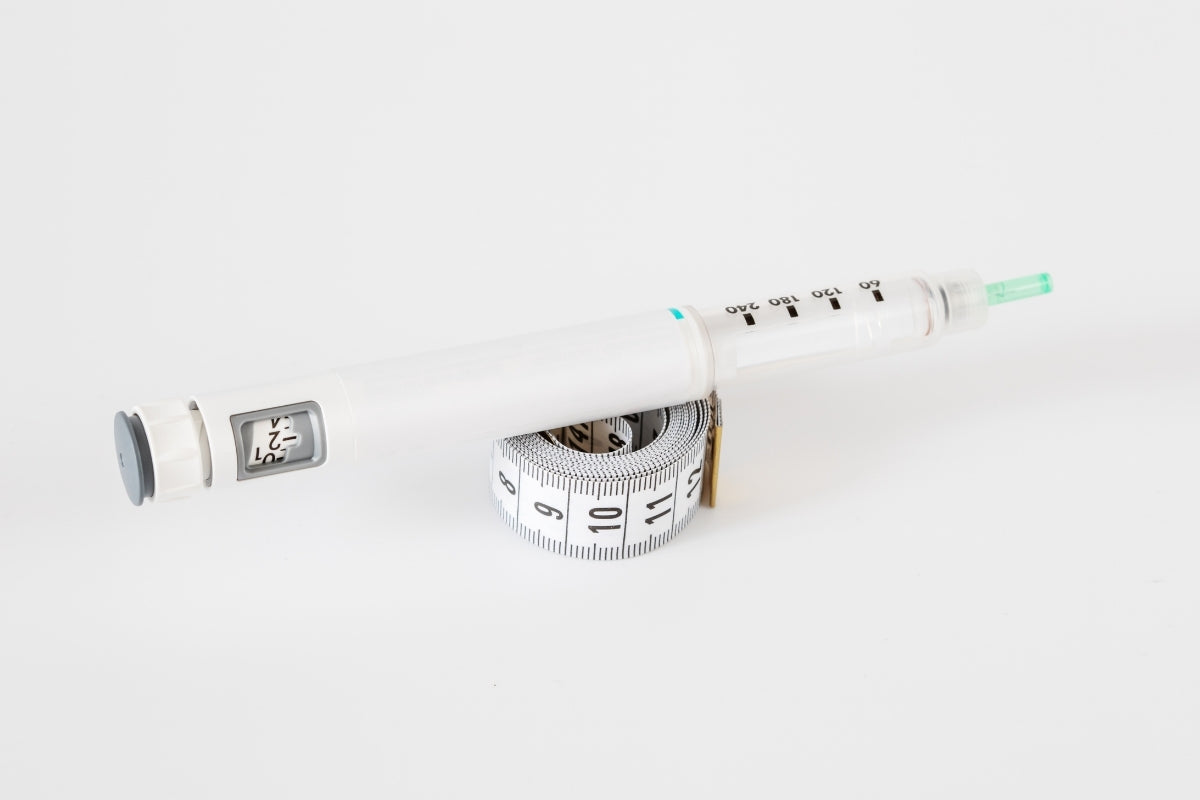
GLP-1 medications have changed the way doctors treat obesity and how millions of people think about managing their weight. Drugs like semaglutide, tirzepatide, and liraglutide can curb appetite, increase feelings of fullness, slow digestion, and produce significant weight loss in clinical trials.
That said, the use of these drugs also comes with an important consideration. Does the weight stay off after stopping medication?
Scientific research has raised several concerns that are worth understanding before choosing a GLP-1 based weight-loss strategy, including changes in gastric emptying, loss of lean muscle mass, gastrointestinal side effects, and the potential for weight regain after treatment ends.
Here's what the research actually shows.
One of the ways GLP-1 medications work is by slowing down how quickly food leaves your stomach and enters the small intestine. This mechanism can increase feelings of fullness and slow the rate at which glucose enters the bloodstream after a meal.
A 2011 study published in Diabetes looked at how the body's response to GLP-1 changed with continued exposure. Researchers gave 9 healthy men GLP-1 through an IV over 8.5 hours while having them eat 2 liquid meals, 4 hours apart.
After the first meal, GLP-1 significantly slowed the rate at which food left the stomach. But by the second meal, that effect had become significantly weaker.
The researchers called this rapid tachyphylaxis, which simply means the body became less responsive to the same signal after repeated exposure.
However, there's an important limitation worth noting: this was a small, short-term study using IV GLP-1. It wasn’t looking at a large group of people taking weekly GLP-1 medications for several months.
It doesn't show that modern GLP-1 medications stop working or that their appetite-suppressing effects disappear after a few weeks. What it does show is that the body's response to GLP-1 can adapt quickly, which raises an interesting question about how the effects of these drugs change with long-term use.
This is an interesting piece of the larger GLP-1 story, particularly because appetite and digestion are only part of how these medications influence body weight.

When you’re trying to lose weight, the real objective is to lose excess body fat while preserving as much lean muscle mass as possible. And while the number on the scale tells you how much weight you've lost, it doesn't show you where that weight came from.
This matters because lean muscle helps you stay strong, active, and physically capable as you age. It also helps your body use and store blood sugar, making muscle preservation an important part of a healthy weight loss strategy.
So, what happens to your muscle when you lose weight on a GLP-1?
Research suggests that some of the weight lost during GLP-1 treatment can come from lean mass, including muscle. A 2025 review of 22 clinical trials involving more than 2,200 people found that lean mass accounted for about 25% of the total weight lost with GLP-1 medications.
A separate 2026 review also found a significant reduction in lean mass among people taking GLP-1 medications, with an average loss of about 1.7 kg or 3.8 pounds.
That doesn't mean everyone taking a GLP-1 will lose a significant amount of muscle. The amount of lean mass lost can vary based on factors such as how quickly someone loses weight, how much protein they eat, and whether they do any resistance training.
The takeaway here is simple. It matters where the weight you lose comes from.
If you lose 30 pounds, it’s important that most of that comes from stored body fat. That's why consuming enough protein and doing resistance training are important parts of any weight-loss plan, whether you're using a GLP-1 medication or taking a lifestyle-based approach.
This is where the research gets particularly interesting.
In the STEP 1 trial, people taking semaglutide lost an average of 17.3% of their body weight over 68 weeks. However, after they stopped taking the medication, they regained an average of 11.6% of their body weight over the following year. This means that by the end of that year, they had regained about two-thirds of the weight they'd previously lost.
Tirzepatide showed a similar pattern in the SURMOUNT-4 trial. After 36 weeks of treatment, participants had lost an average of 20.9% of their body weight. Those who stopped taking tirzepatide and switched to a placebo regained weight over the next 52 weeks, while those who continued taking tirzepatide lost an additional 5.5%.
Again, these studies don't mean GLP-1 medications don't work. They clearly can produce significant weight loss results. But they also show that keeping that weight off can depend on continuous treatment.
That's an important consideration if you're looking for a weight-loss approach that you can maintain for the long term.

GLP-1 medications affect your digestive system, so it's no surprise that many of the most common side effects are also digestive issues.
Nausea, diarrhea, vomiting, constipation, and stomach pain are among the most commonly reported side effects with medications such as Ozempic, Wegovy, and Zepbound. These symptoms tend to be more common as the dose increases and they often improve over time.
For some people, these side effects are mild and temporary. For others, they can be significant enough to make eating and everyday life uncomfortable, with some people choosing to stop treatment entirely because of them.
That doesn't mean GLP-1 medications are necessarily a bad choice. For people with obesity, type 2 diabetes, or other health concerns, they can be an effective treatment when used under medical supervision.
But they are still medications that change how your body regulates appetite and digestion. Understanding both the benefits and potential downsides is an important part of deciding whether a GLP-1 is right for you.
If you're looking for a non-prescription approach to weight loss, there are products that support the daily habits that make a calorie deficit easier to maintain.
Dietary supplements can't replicate the effects of prescription medications like semaglutide or tirzepatide, and they aren’t intended to treat obesity, diabetes, or any other medical condition.
That's where a supplement like BrickHouse Nutrition Lean comes into play. Lean is designed to support appetite control, metabolism, energy, and fat utilization as part of a healthy weight-management plan.

BrickHouse Nutrition Lean takes a multi-pathway approach to weight management. Instead of relying heavily on stimulants to suppress appetite or increase energy for a few hours, the formula combines ingredients designed to support appetite control, metabolism, energy, and healthy fat utilization.
The formula contains:
Each ingredient has a specific role in the formula. InnoSlim®, Meratrim®, and Advantra Z® are included for metabolic and fat-utilization support, while Caralluma fimbriata and chromium help support appetite and healthy blood sugar levels. A moderate amount of caffeine provides energy without relying on a high-stim formula.
Appetite & Craving Support
Caralluma fimbriata and chromium are included to help support appetite control, cravings, and healthy blood sugar levels throughout the day. Making hunger more manageable can make it easier to stick with the calorie deficit needed for weight loss.
Metabolism & Fat Utilization
Ingredients including InnoSlim®, Advantra Z®, Meratrim®, EGCG, forskolin, and fucoxanthin target different aspects of metabolism and healthy fat utilization. Together, they give Lean a broader approach to weight management than a formula built around a single ingredient.
Steady Energy
Lean contains a moderate amount of caffeine to support energy and alertness. The goal is to provide a clean lift that complements your daily routine without making the formula dependent on large doses of stimulants.
Lean costs $99.95 for a 30-day supply, with additional savings available through a subscription. The recommended serving is 3 capsules in the morning after breakfast.
Lean also comes with a 60-day money-back guarantee.
The right approach depends on your health, your goals, and how much weight you're trying to lose.
If you have obesity, type 2 diabetes, or just a substantial amount of weight to lose, we recommend speaking with your doctor about whether a prescription medication like semaglutide or tirzepatide is appropriate for you. GLP-1 medications have strong clinical evidence behind them and can produce significant weight loss.
On the other hand, if you're looking for a non-prescription option to complement your nutrition and exercise routine, BrickHouse Nutrition Lean takes a different and sustainable approach. It's a dietary supplement formulated with ingredients that support appetite control, metabolism, energy, and healthy fat utilization.
GLP-1 medications and Lean work in very different ways. GLP-1s are prescription drugs that directly affect hormone pathways involved in appetite, blood sugar regulation, and digestion. Lean is a daily supplement designed to support the lifestyle habits that drive healthy weight management.
Neither approach replaces the fundamentals of weight loss. A sustainable calorie deficit, adequate protein, resistance training, daily activity, quality sleep, and consistent habits still matter.
For someone looking for a non-prescription approach to support those habits, BrickHouse Lean can help make a sustainable weight-management routine easier to maintain.
GLP-1 medications have earned their place in modern weight management, and the research shows they can produce significant weight loss. However, the research also raises important questions about what happens during treatment, and after it ends.
The body's response to GLP-1 can adapt quickly when it comes to gastric emptying. Weight loss can include lean mass along with body fat. And studies of both semaglutide and tirzepatide show that a significant amount of the weight lost during GLP-1 use can return after treatment is stopped.
For people who need medical treatment, GLP-1 medications can be an appropriate option under the guidance of a healthcare professional.
For those looking for a non-prescription approach, BrickHouse Nutrition Lean provides another option: a daily supplement designed to support your weight loss goals alongside the nutrition and lifestyle habits that drive long-term weight management.
Do GLP-1 medications cause muscle loss?
GLP-1 medications can lead to some loss of lean muscle mass. A 2025 review found that lean mass accounted for about 25% of total weight lost across 22 clinical trials. The amount varies from person to person, which is why adequate protein intake and resistance training are important during GLP-1 use.
Do you regain weight after stopping a GLP-1?
Weight regain is common after stopping GLP-1 medications. In the STEP 1 study, people who stopped semaglutide regained about two-thirds of the weight they'd previously lost over the following year. A similar pattern was seen in the SURMOUNT-4 trial after participants stopped tirzepatide.
Do GLP-1 medications stop working over time?
GLP-1 medications can remain effective over the long term, but the body's response to certain effects of GLP-1 can change. A small 2011 study found that GLP-1's effect on gastric emptying became weaker after repeated exposure. However, that study used a short-term IV infusion and doesn't show that medications such as semaglutide or tirzepatide stop working over time.
What are the most common side effects of GLP-1 medications?
Common side effects include nausea, diarrhea, vomiting, constipation, and stomach pain. These digestive symptoms can be mild and temporary for some people, while others experience symptoms that are significant enough to stop treatment.
Can you lose weight without taking a GLP-1?
Yes. Weight loss ultimately requires creating a calorie deficit, which can be achieved through proper nutrition, physical activity, and other lifestyle changes. Some people also use dietary supplements to support appetite, energy, and other aspects of their weight-management routine. BrickHouse Nutrition Lean is designed for this purpose, but it isn't a replacement for prescription treatment or medical care.
Is BrickHouse Nutrition Lean the same as a GLP-1 medication?
No. Lean is a dietary supplement, while GLP-1 medications are prescription drugs that directly affect hormone pathways involved in appetite, digestion, and blood sugar regulation. Lean contains ingredients designed to support appetite control, metabolism, energy, and healthy fat utilization as part of a broader weight-management plan.
Why Weight Loss Gets Harder With Age (And What You Can Do About It)
Most people can point to a moment when weight loss started feeling harder. Maybe the approach that worked in your 20s doesn't seem to move the needle anymore. Maybe a few extra pounds showed up ov...
Read more about Why Weight Loss Gets Harder With Age (And What You Can Do About It)BrickHouse Lean vs. KetoFuse: Ingredients, Doses, and Price Compared
Lean costs about $3.00 a day on Subscribe & Save. KetoFuse can run as little as $1.10. We make Lean, so we'll say it plainly: if price per day were the only thing to weigh, this would be a shor...
Read more about BrickHouse Lean vs. KetoFuse: Ingredients, Doses, and Price Compared
Available for iOS and Android
Sign up to get the latest updates and product releases

© 2026 BrickHouse Nutrition, llc. All rights reserved.


