Your cart is empty
Free shipping on all US orders

Free shipping on all orders
Your Cart
Your cart is empty
Free shipping on all US orders

Most people don't wake up one morning and realize they're not eating enough fruits and vegetables. It's usually something that happens gradually. A busy week turns into a busy month, takeout replaces home-cooked meals, and the produce you bought with good intentions ends up in the trash before it ever makes it onto your plate.
We know eating enough produce every day is often easier said than done. That's where products like BrickHouse Field of Greens can help. Made with real fruits and vegetables, Field of Greens gives you a convenient way to add more plant-based nutrition to your routine, helping bridge the gap on the days when your diet isn't quite as balanced as you'd like it to be.
Fruits and vegetables do far more than simply add color to your plate. They're rich sources of vitamins, minerals, fiber, antioxidants, and other beneficial plant compounds that help support overall health. In addition to providing essential nutrients, fruits and vegetables contribute dietary fiber and a variety of naturally occurring phytonutrients that are difficult to get from most other foods.
Many of these phytonutrients have antioxidant and anti-inflammatory properties, helping protect cells from oxidative stress and supporting normal physiological function. Because fruits and vegetables provide a high concentration of nutrients for relatively few calories, they're consistently recommended as part of a healthy dietary pattern and have been associated with a wide range of positive health outcomes.
When fruits and vegetables aren’t part of your daily diet, the effects tend to show up in a fairly predictable order.
Looking at the bigger picture, the effects of low fruit and vegetable intake tend to play out over years rather than days or weeks. Research has consistently found that dietary patterns rich in fruits and vegetables are associated with better long-term health outcomes, while diets that contain too little produce are associated with a greater risk of several chronic conditions. That's the primary reason health organizations continue to recommend making fruits and vegetables a regular part of a balanced diet.
The symptoms of a nutrient deficiency depend on which nutrient is lacking, and many of the signs can overlap with other health conditions. Still, certain deficiencies are associated with recognizable patterns.
For example, low iron or folate levels may contribute to fatigue and low energy. Vitamin C deficiency can cause symptoms such as bleeding gums, easy bruising, and slower wound healing. Vitamin A plays an important role in eye health, and inadequate intake may affect vision, particularly in low-light conditions. Some nutrient deficiencies can also affect the appearance of your skin, hair, and nails.
It's important to remember that symptoms alone can't tell you which nutrient, if any, is actually low. Fatigue, difficulty concentrating, and changes in skin or hair can have many potential causes. If you have concerns about your nutrient status, your healthcare provider can help determine whether testing via blood work or dietary changes are appropriate.
When fruits and vegetables are lacking in the diet, certain vitamins, minerals, and dietary components are more likely to fall short. Here are some of the nutrients commonly provided by produce and what low intake may look like over time.
| Nutrient | Common Symptoms |
|---|---|
| Vitamin C | Easy bruising, bleeding gums, slower wound healing |
| Vitamin A | Dry eyes, difficulty seeing in low light |
| Folate | Fatigue, low energy, difficulty concentrating |
| Potassium | Muscle weakness, muscle cramping |
| Fiber | Constipation, digestive discomfort |
| Magnesium | Muscle cramps, fatigue |
Not everyone who eats too few fruits and vegetables develops a clinical deficiency, but these are the nutrients most likely to run low first.
If you struggle to eat enough fruits and vegetables, you're far from alone. According to the CDC, only about 12% of U.S. adults meet the recommended daily intake for fruit, and just 10% meet the recommendation for vegetables.
The reasons are usually practical. Fresh produce doesn't always fit neatly into a busy schedule. Between work, family obligations, travel, and the everyday challenge of planning meals, it's easy for convenience foods to take priority while fruits and vegetables fall to the bottom of the list.
That's what makes this such a common nutrition gap. Many people consume enough calories each day, yet still fall short on the vitamins, minerals, fiber, and beneficial plant compounds that fruits and vegetables provide.
Closing the gap doesn't require a full overhaul. A few small, consistent changes go a long way.
Start with meals you already eat. Berries in Greek yogurt, a banana with breakfast, or an apple as an afternoon snack adds intake without adding prep time.
Frozen fruits and vegetables are another easy win. They hold onto most of their nutritional value, last far longer than fresh produce, and go straight into smoothies, stir-fries, soups, and sides.
Prepping vegetables ahead of time removes the friction that keeps a lot of people from eating them consistently. Washed, chopped, and ready to go beats a bag of spinach wilting in the crisper.
For anyone who still struggles to hit those numbers daily, a greens supplement can help fill in the rest.
Eating enough fruits and vegetables every day sounds simple on paper. In practice, busy schedules, travel, long workdays, and the occasional takeout-heavy week can make it harder than most people would like.
That's where a product like Field of Greens can help. Made with real fruits and vegetables, it's designed to make getting more plant-based nutrition into your routine a little easier, especially on the days when your diet isn't perfect.

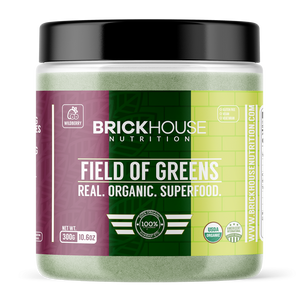
At home: Field of Greens powder is the original formula, featuring ingredients like kale, barley grass, broccoli, berries, ginger, and turmeric in an easy-to-mix drink. The formula has also been evaluated in a published, peer-reviewed clinical trial at Auburn University, adding a level of scientific scrutiny that isn't common in the greens powder category.

On the go: Field of Greens Travel Packs contain the same formula in convenient single-serving packets, making it easy to stay consistent while traveling, commuting, or spending long days away from home.

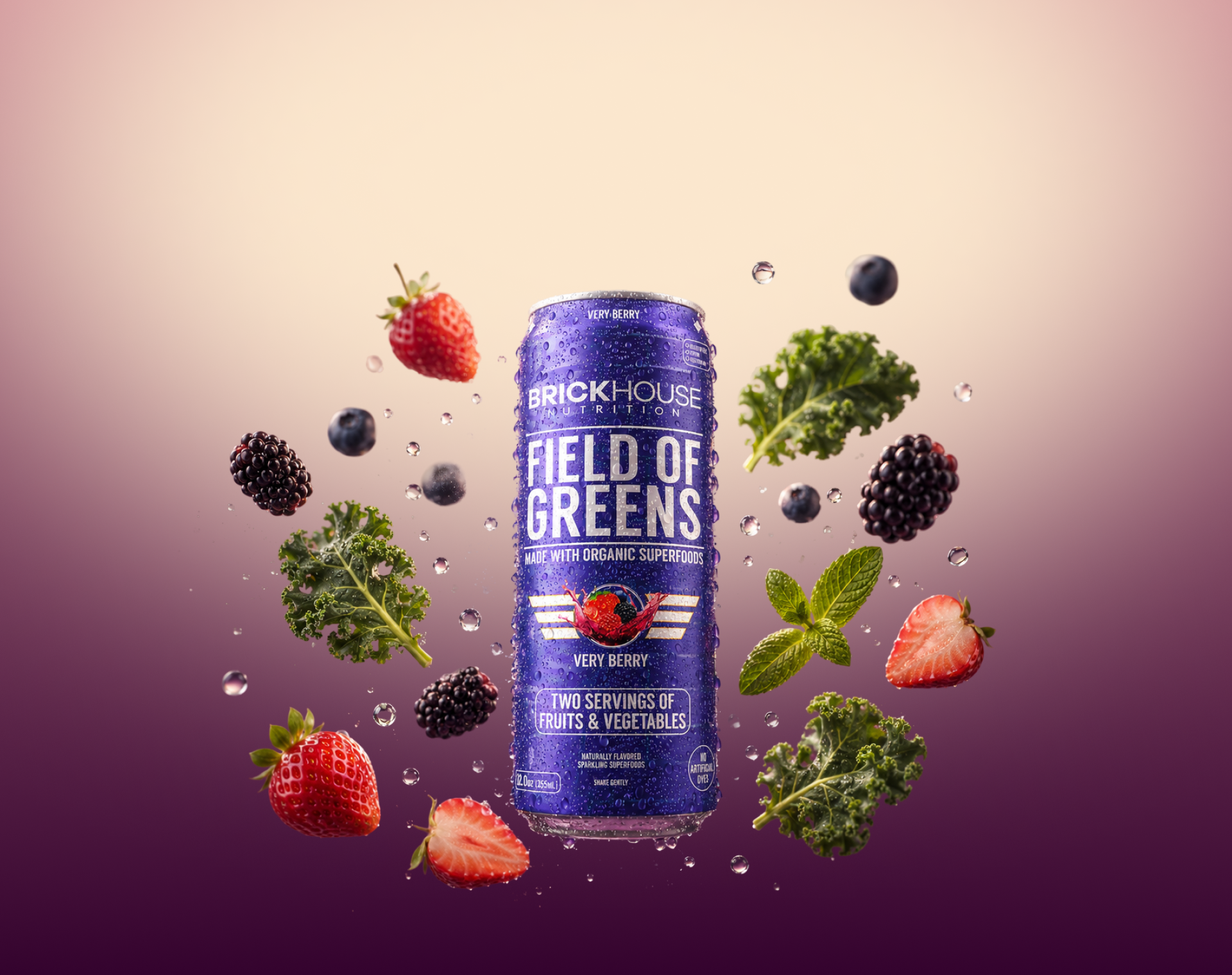
Grab and go: Sparkling Field of Greens delivers two servings of fruits and vegetables in a ready-to-drink carbonated format. No blender, shaker bottle, or preparation required.
Different formats. Same real-food formula. The goal is simple: helping you get more fruits and vegetables into your day, no matter what your schedule looks like.
Can you survive without eating vegetables? Yes, but it gets much harder to get enough vitamins, minerals, fiber, and beneficial plant compounds. Over time, that gap is linked to a higher risk of nutrient deficiencies and chronic health issues.
How long does it take for vitamin deficiency symptoms to appear? It depends on the nutrient. Some deficiencies can cause symptoms within weeks, while others take months or years to become noticeable.
Can fruit replace vegetables? Fruit covers a lot of ground nutritionally, but vegetables bring unique vitamins, minerals, and phytonutrients that fruit alone doesn't fully replace. Best case, you're eating both.
How many fruits and vegetables should you eat each day? The USDA's Dietary Guidelines for Americans recommend roughly 1.5 to 2 cups of fruit and 2 to 3 cups of vegetables daily for most adults.
Can a greens supplement replace fruits and vegetables? Greens supplements can help fill nutritional gaps when whole produce isn't available, but they work best alongside a diet that still includes real fruits and vegetables whenever possible.
Field of Greens vs. Transparent Labs Greens: Which Greens Powder Makes Sense for You?
When you're looking for a greens powder, two things matter most: What's actually in the scoop What the formula is designed to do for your body When comparing BrickHouse Nutrition Field of G...
Read more about Field of Greens vs. Transparent Labs Greens: Which Greens Powder Makes Sense for You?Greens Powders vs. Multivitamins: Which Supplement Is Right for You?
Two of the most popular options for filling nutritional gaps are greens powders and multivitamins. At first glance, they seem like they serve the same purpose. Both are designed to supplement your ...
Read more about Greens Powders vs. Multivitamins: Which Supplement Is Right for You?
Available for iOS and Android
Sign up to get the latest updates and product releases

© 2026 BrickHouse Nutrition, llc. All rights reserved.